

Online slot settings are easy to overlook when the screen is designed for quick play. The practical question is not only whether you can play sweet bonanza live, but also which controls belong to the game and which are managed by the casino hosting it. Understanding that division helps you check session tools, account security, game history and personal limits before using real money. It also prevents confusion about who handles verification, password recovery, payment questions or access problems.
Which controls are available inside the slot?
The game interface normally provides direct controls for choosing a stake, starting a spin, adjusting sound and music, opening the information panel and reviewing recent rounds. Depending on the operator’s version, Quick Spin and Autoplay may also be present. These controls affect how the slot behaves during a session, but they do not change your casino account, payment settings or identity details.
The information screen is particularly important because it describes the loaded configuration rather than a universal version of the title. It should show the applicable RTP, symbol values, feature rules, bet range and any available options. Published figures can differ between casino configurations, so checking the in-game information is more reliable than relying on a general description found elsewhere.
Autoplay needs extra attention because its availability and settings can vary. Where offered, it may include stop conditions such as ending after a selected win, after a feature begins, or when the balance rises or falls by a chosen amount. Treat these as operating instructions, not as safety guarantees. Review every selected condition before confirming, and stop manually if the session no longer matches your plan.
How do account settings differ from game settings?
The casino account controls everything outside the slot window. That includes login credentials, password recovery, two-factor authentication, personal information, verification requests, transaction records and access to the cashier. The slot has no independent player login, so a locked account or forgotten password must be handled through the operator’s normal support and recovery process.
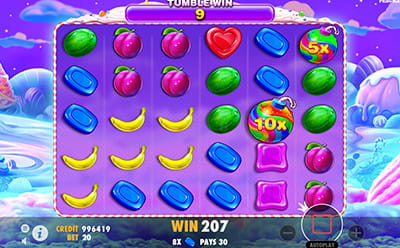
Account-level records may be more comprehensive than the round history shown inside the game. The slot can include a Game History option for previous rounds, while the casino account may hold longer session records, deposits, withdrawals and other transactions. If you need to reconcile activity, compare both sources and note the date, time and stake shown for each relevant round.
Mobile access generally uses the same casino account as desktop play. The game is built in HTML5 and can be offered through a modern Android or iOS browser without a separate title-specific application. An operator may also provide its own app, but that app, its permissions and its security settings belong to the operator. Check that you are using the genuine casino website or application before entering account details.
What should you check before enabling Autoplay or optional modes?
Optional modes can change the way a session operates and, in some cases, its cost. The documented Ante Bet option increases the stake by 25% and is designed to double the chance of triggering Free Spins naturally by adding Scatter symbols. It disables the Free Spins purchase feature, so selecting it is not simply a visual preference or a harmless shortcut.
Bonus Buy, where permitted by the casino and local rules, is a separate paid game feature rather than a casino promotion. The documented price is 100 times the selected base bet for the 10-spin Free Spins round. Availability can differ by operator or jurisdiction, and the price should be confirmed in the active information screen before use. Never assume that another casino offers the same option.
Before using any optional mode, check the current stake, whether the setting applies to one spin or continues, and whether it changes access to another feature. A sensible review involves opening the rules panel, reading the confirmation message and checking the balance impact. If a control is unclear, leave it disabled and ask the hosting casino for clarification rather than treating an unfamiliar label as self-explanatory.
Where should Canadian players look for security and limits?
Security settings are found in the casino account rather than the slot. Look for password changes, two-factor authentication, active-session information, contact details and account-recovery options. Use a unique password, keep recovery information current and avoid saving credentials on shared devices. If the operator offers login notifications or device management, review those settings periodically.
For broader online-safety guidance, the Canadian Centre for Cyber Security provides public information about protecting accounts and personal information. That guidance is general and does not confirm any feature, licence, limit or security practice for a particular casino. The operator’s own help pages and account controls remain the relevant source for its specific procedures.
Session, deposit, loss, cooling-off and self-exclusion tools are also operator-level controls. Their availability and names may vary according to the casino and the rules applying in the player’s province. Check the account menu, responsible-play area and terms before beginning a session. If a requested limit is unavailable or difficult to locate, contact support and avoid relying on Autoplay as a substitute for a formal account control.
What happens when verification or access problems arise?
Real-money play requires an account with the casino offering the slot. Registration information, age checks and identity verification therefore belong to that operator, not to the game developer. Before a withdrawal, the casino may request government-issued photo identification, proof of address or evidence that a payment method belongs to the account holder.
Verification questions should be directed to the casino’s support team, especially when a document has been rejected, a withdrawal is pending or an account has been restricted. Do not send personal documents through an unfamiliar email address or an unofficial social-media account. Use the contact method shown in the operator’s authenticated account area or on its verified website.
If the game will not load, first check whether the account is signed in, whether the operator serves your location and whether the browser is current. Clearing a browser cache or trying another supported device may help with a technical issue, but it will not resolve verification, geolocation or account restrictions. Keep the operator’s name, approximate time and any error message ready when contacting support.
Questions about account and session settings
Does the slot have its own login or password recovery?
No. Real-money sessions use the account provided by the casino hosting the game. Password recovery, two-factor authentication, locked-account procedures and personal-data changes are managed by that operator. The slot itself does not maintain a separate player profile, independent cashier or standalone recovery process.
Can the in-game history replace the casino’s account records?
Not necessarily. The game may display previous rounds through its Game History option, but the casino controls longer session, balance and transaction records. For a complete review, compare the in-game history with the account statement or activity page. Contact support if timestamps, stakes or outcomes appear inconsistent.
Are deposit limits and self-exclusion controlled by the slot?
No. Deposit limits, loss limits, cooling-off periods and self-exclusion are account-level tools supplied by the casino, subject to the rules applying in the relevant province. Their availability can differ between operators. Find them in the account or responsible-play section, and ask support if you cannot locate the appropriate control.